The Best Examples of Eclectic Architecture
Eclectic Architecture is a building typology that blends elements from different architectural styles. Ecelecticism was practiced throughout the Revival Movement of the 19th century and remained popular during the early 20th century. Many eclectic buildings borrow elements from the major styles of European Architectural History, including Romanesque, Gothic, Renaissance, and Baroque. This article will highlight many different buildings that can be classified as “eclectic” and showcase the importance of Eclecticism.
What is Eclecticism?
Eclecticism is when a design fuses different architectural styles into one composition. This image shows one of the world’s greatest eclectic buildings, Antwerp Central Station. It fuses Renaissance Revival details with many Beaux-Arts elements, such as large glass windows & skylights.

Timeline of Eclecticism
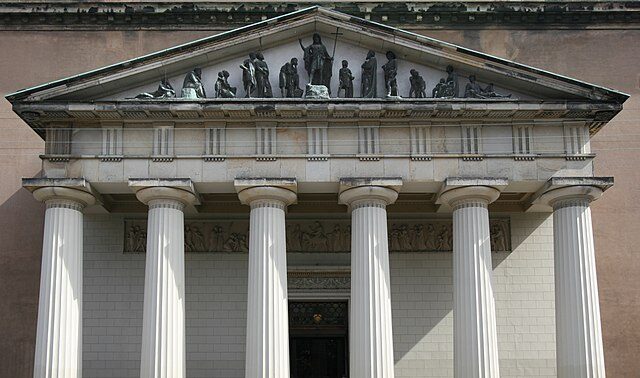
Neoclassical Architecture & The Revival Movement
19th century
Eclecticism was popularized during the Revival Movement of the 19th century. Revivalism led to the creation of several distinct styles, including Romanesque Revival, Gothic Revival, Renaissance Revival, and Baroque Revival.
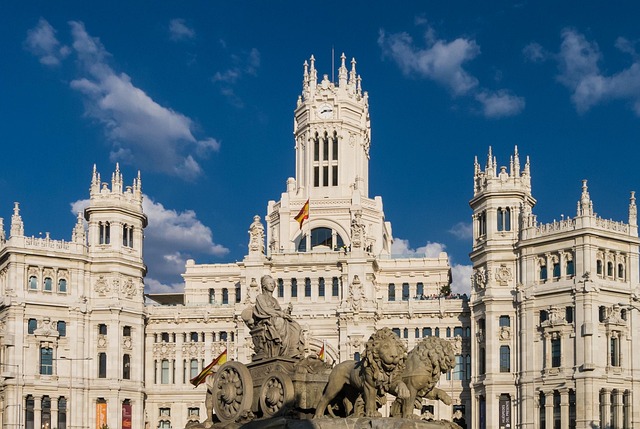
Eclecticism
1830 – 1930
Eclecticism remained popular through the 1800s and continued to be utilized during the early 1900s. It was used in the Revival Movement and the more sculptural & artistic movements that followed.
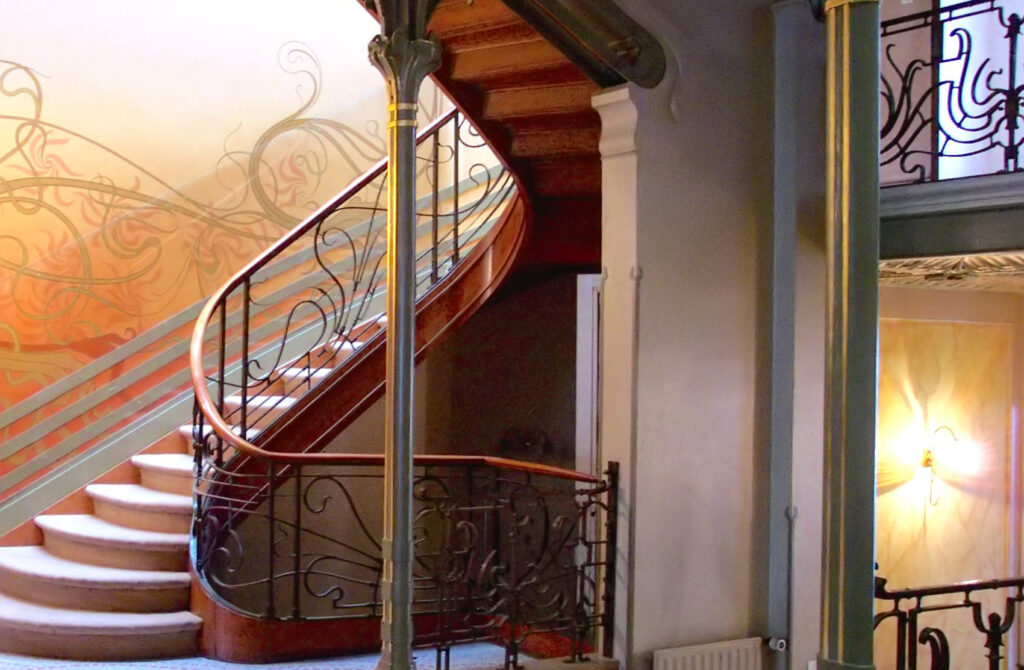
Art Nouveau & Art Deco
1890 – 1930
Eventually, newer and more modern styles like Art Deco and Art Nouveau Architecture became popular. Many of these styles still incorporated the ideas of Eclecticism.
Types of Eclectic Architecture
There are three major types of Eclecticism: Blended Eclecticism, Separated Eclecticism, and Non-intentional Eclecticism.
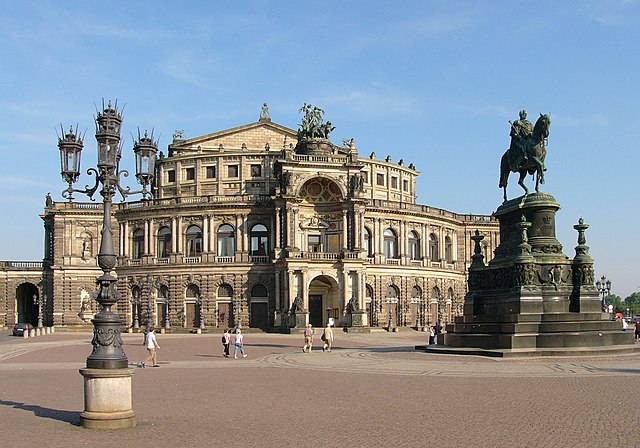
Blended Eclecticism
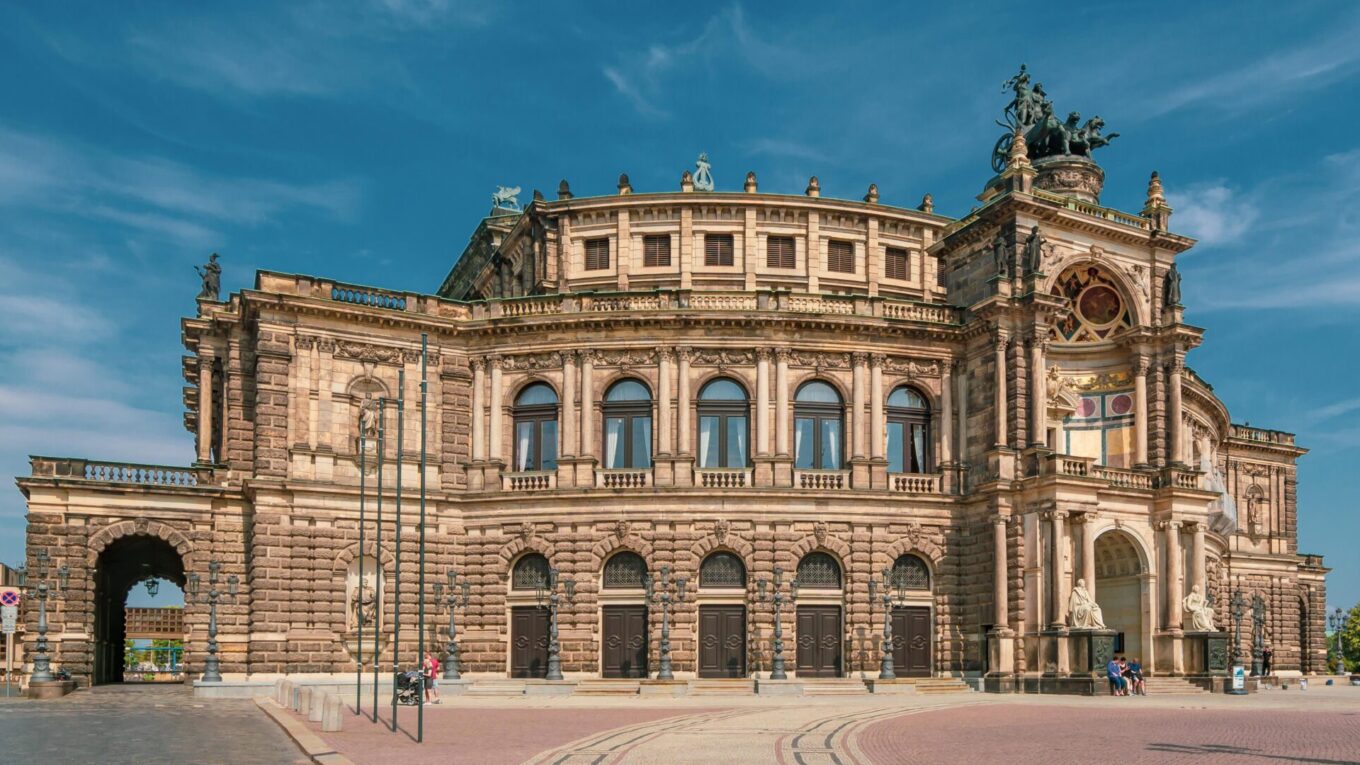
Blended eclecticism is when a design seamlessly blends two or more architectural styles. A great example of this is the Semperoper in Dresden, Germany. This building elegantly blends Renaissance and Baroque elements to create a unique edifice that doesn’t fit within one single typology.
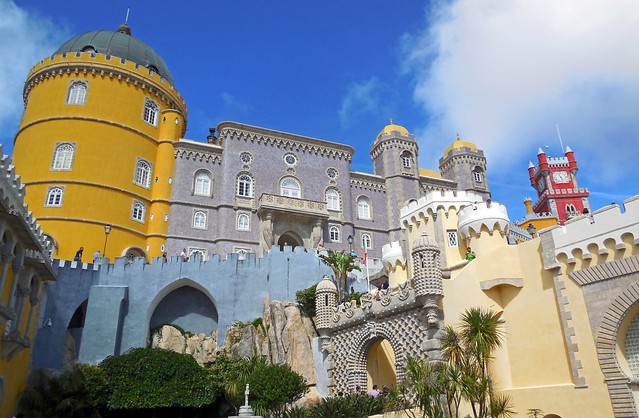
Separated Eclecticism
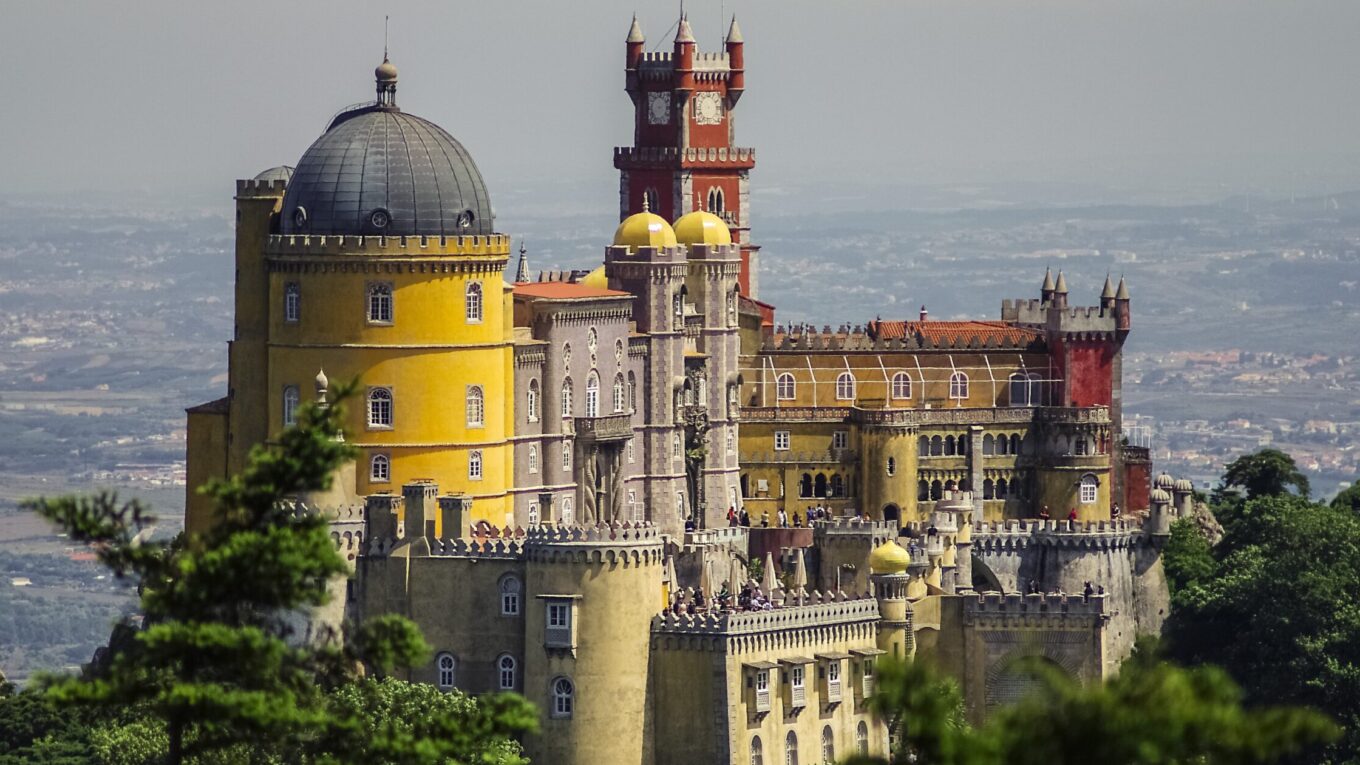
Another type of Eclectic Design is when different styles are distinctly separated. A great example of this is the Pena Palace in Sintra, Portugal. This building has various wings that were designed in distinctly different styles, with little overlap.
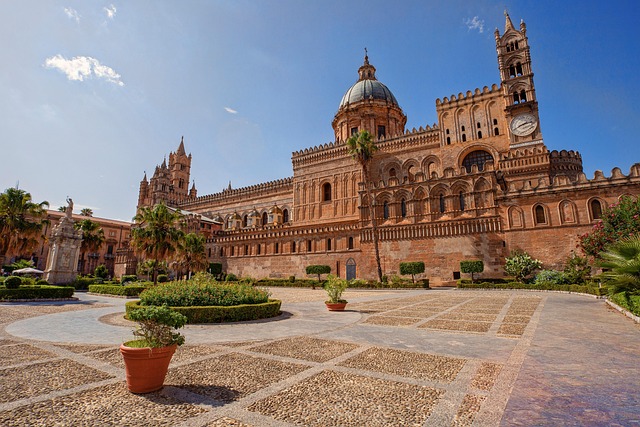
Accidental Eclecticism
Another type of Eclecticism is known as “Accidental or non-intentional Eclecticism.” This typology often occurs in buildings that were constructed in phases. Many of Europe’s largest cathedrals are unintentionally eclectic, containing a blend of different architectural styles. A great example of this is Palermo Cathedral in Italy.
What are the Best Examples of Eclectic Architecture?
Below is a list of some of the world’s greatest examples of Eclectic Architecture. The order of the buildings is based on their size, splendor, and influence on the Eclectic Movement.
1. Pena Palace – Sintra, Portugal
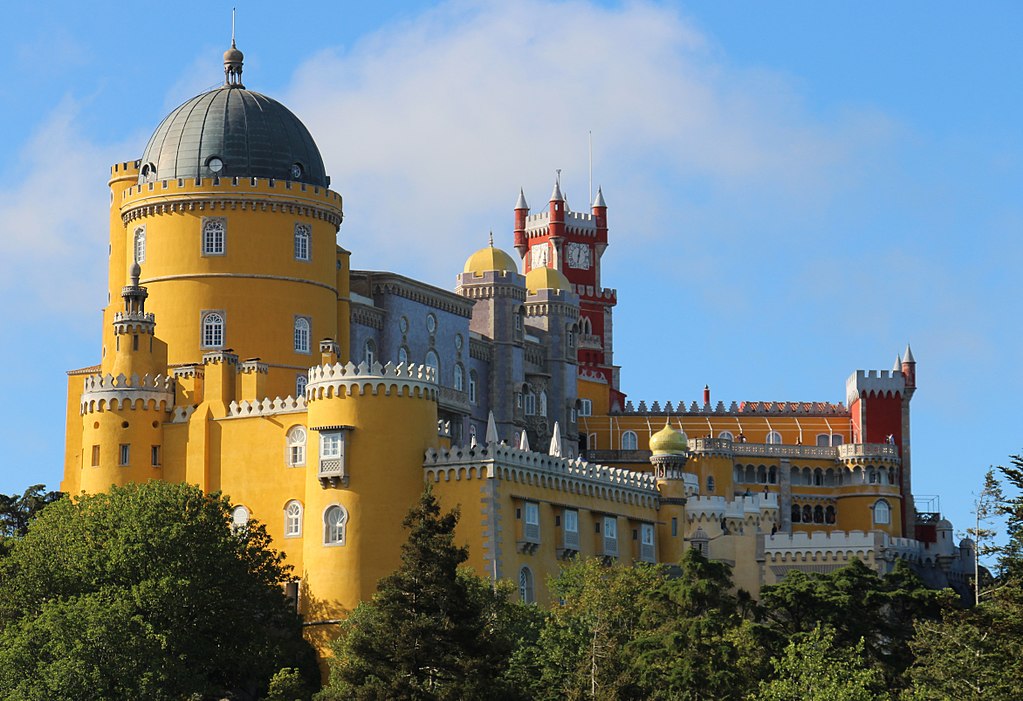
Pena Palace is one of the greatest European palaces of the 19th century. It was built by Ferdinand II & Maria II, the King & Queen of Portugal. The design resembles that of a Medieval Fortification, but the building was never actually intended for defense. Construction began in 1842 and was completed by 1854. Pena Palace combines several different architectural styles, including NeoRenaissance, NeoGothic, and NeoRomanesque. It’s also a great example of Romanticism – another important architectural movement from the 19th century.
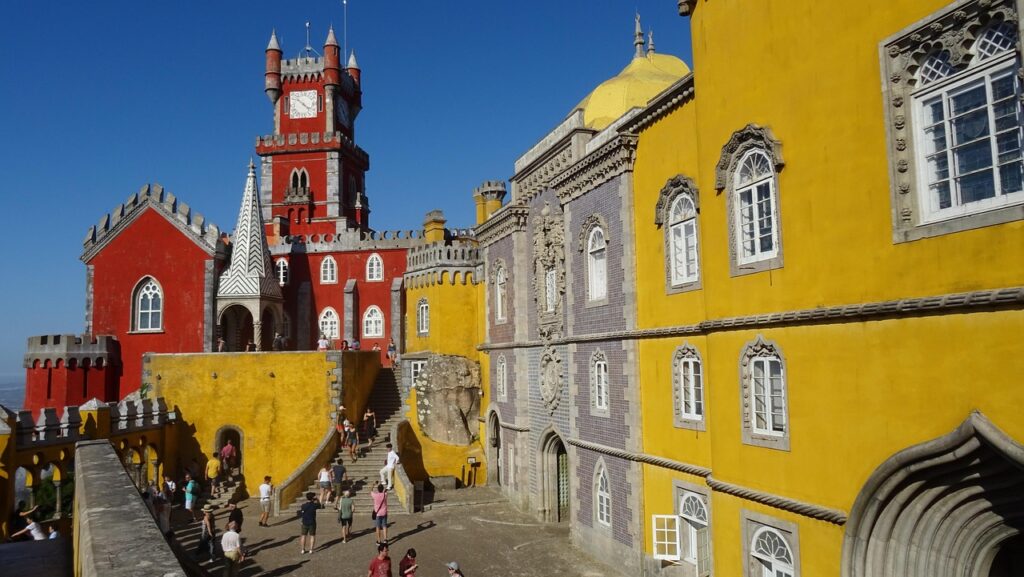
Pena Palace is located in the historic city of Sintra, located about 18 miles (28 km) northeast of Lisbon. Sintra was once a popular getaway for the wealthy Portuguese nobility. The city contains many large villas and is also home to a well-preserved Moorish castle. Pena Palace is one of Portugal’s architectural highlights, and it draws thousands of visitors every year thanks to its unique appearance and iconic location.
2. Antwerp Central Station – Antwerp, Belgium
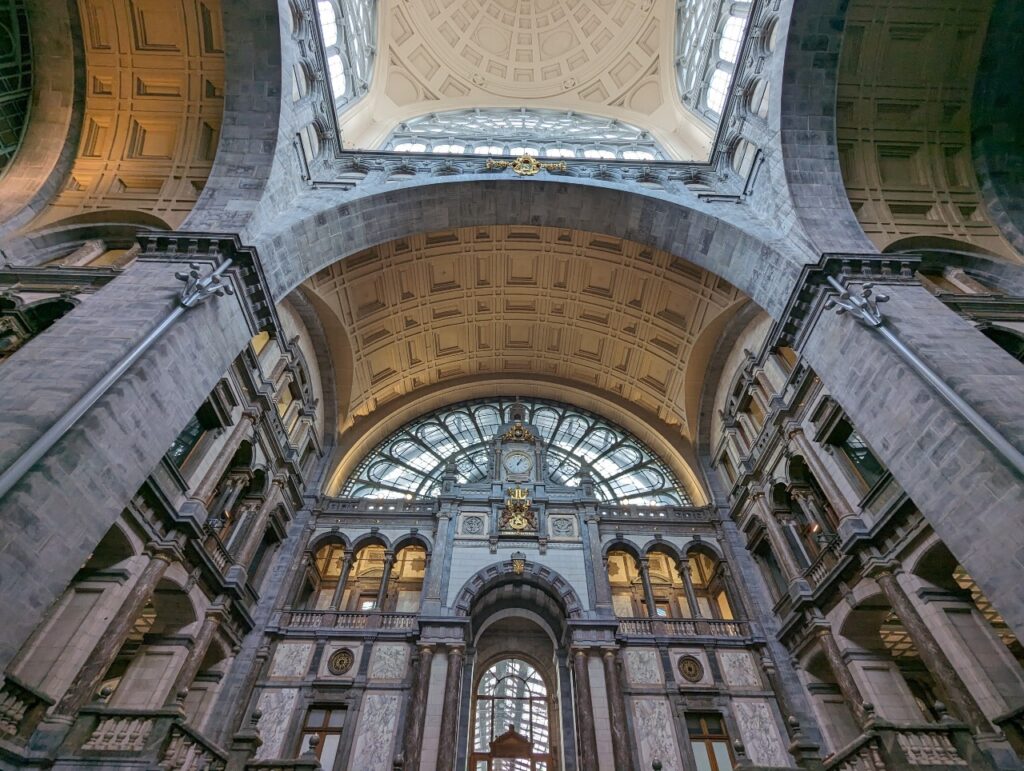
Antwerp Central Station is another one of the world’s greatest examples of Eclectic Architecture. The station was built from 1895 to 1905, at a time when Belgium was rapidly industrializing. The station helped connect Antwerp with other major cities like Brussels, Brugge, and Ghent. Antwerp Central Station was designed by a Belgian Architect who practiced extensively in the Eclectic Style. The building is mainly Renaissance Revival, but also contains elements from Baroque, Art Nouveau, and Beaux Arts Architecture.
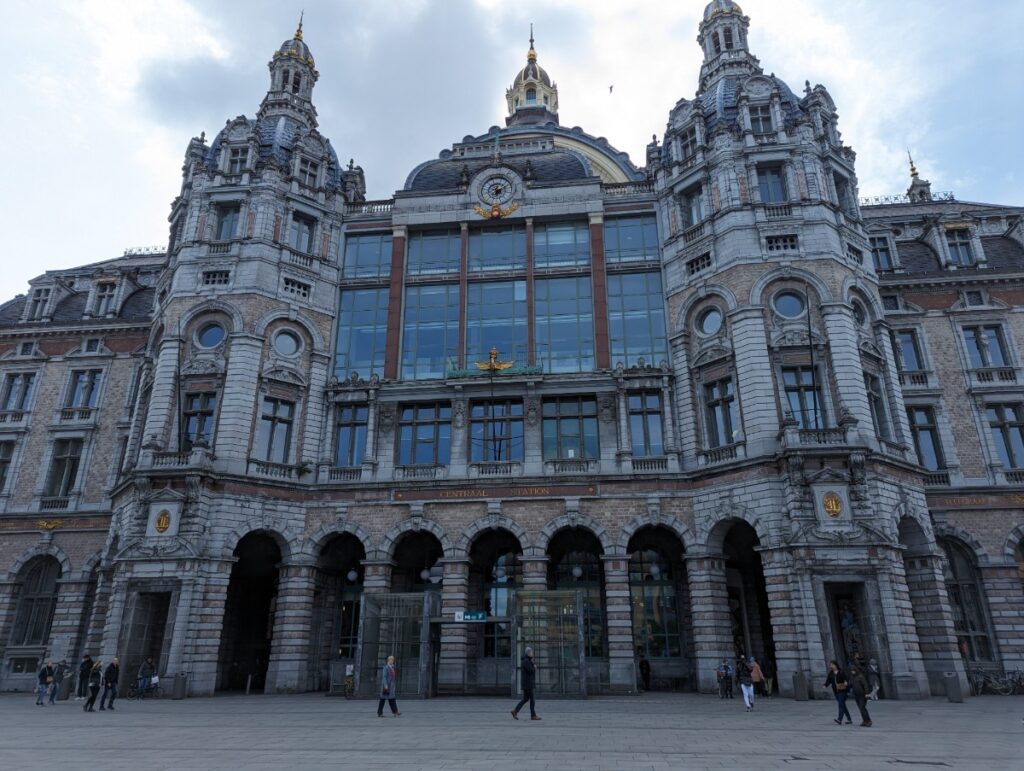
One of the most notable characteristics of Antwerp Central Station is the amount of glass used in its design. The station has large windows, several skylights, and a central dome with large glass-infilled arches. The building also utilizes lots of masonry with touches of gold trim. Combining various materials like this was a big part of Eclecticism, and many of the buildings on this list contain a wide variety of textures and colors.
3. Cybele Palace – Madrid, Spain
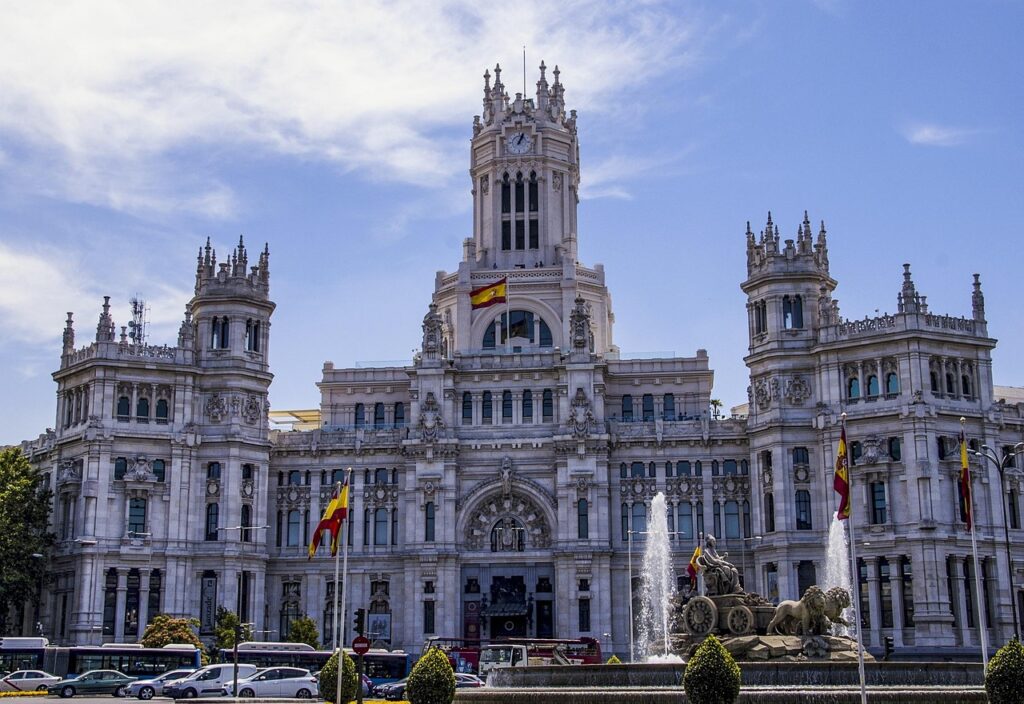
Cybele Palace is a large municipal building located in the center of Madrid. The palace was constructed in the early 1900s and is one of the world’s greatest examples of Eclectic Architecture. The building contains the City Council of Madrid and also functions as the City Hall. The Cybele Palace overlooks two of Madrid’s Grand Boulevards, and it’s located near other sites like the Prado Museum and the Puerta de Alcalá.
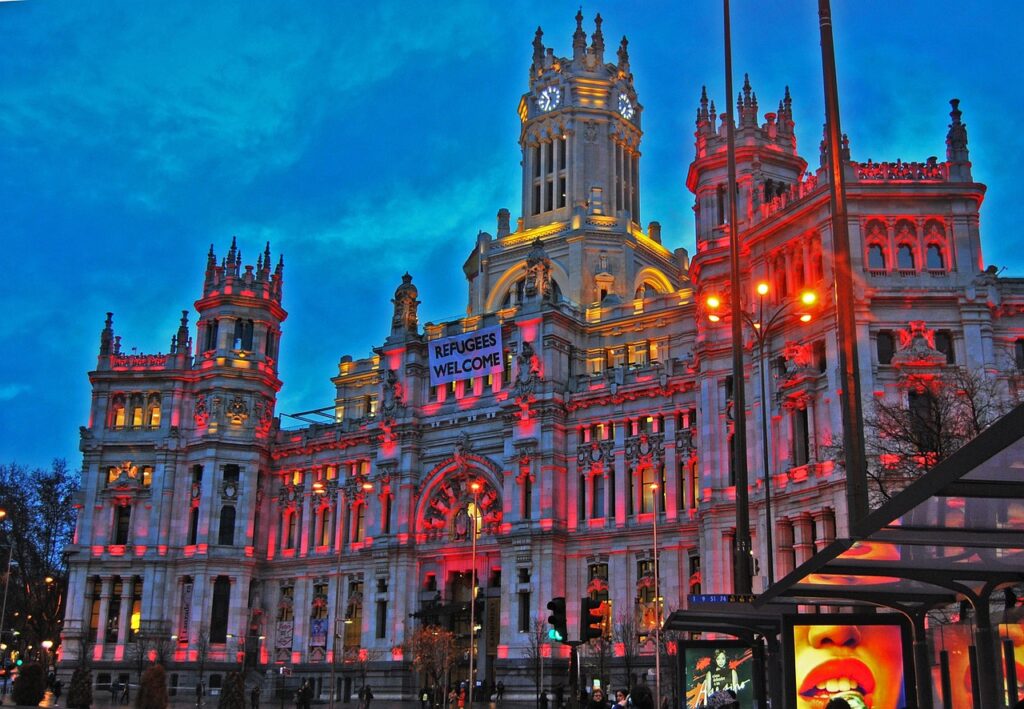
The design of Cybele Palace combines various elements from Medieval Castles and pairs those with features from Renaissance and Baroque Architecture. Cybele Palace also contains more modern 20th-century design elements, like a large glass skylight within its main atrium. The building is also well-known for its pristine, white facade, which is often lit up in different colors at night.
4. Semperoper – Dresden, Saxony, Germany
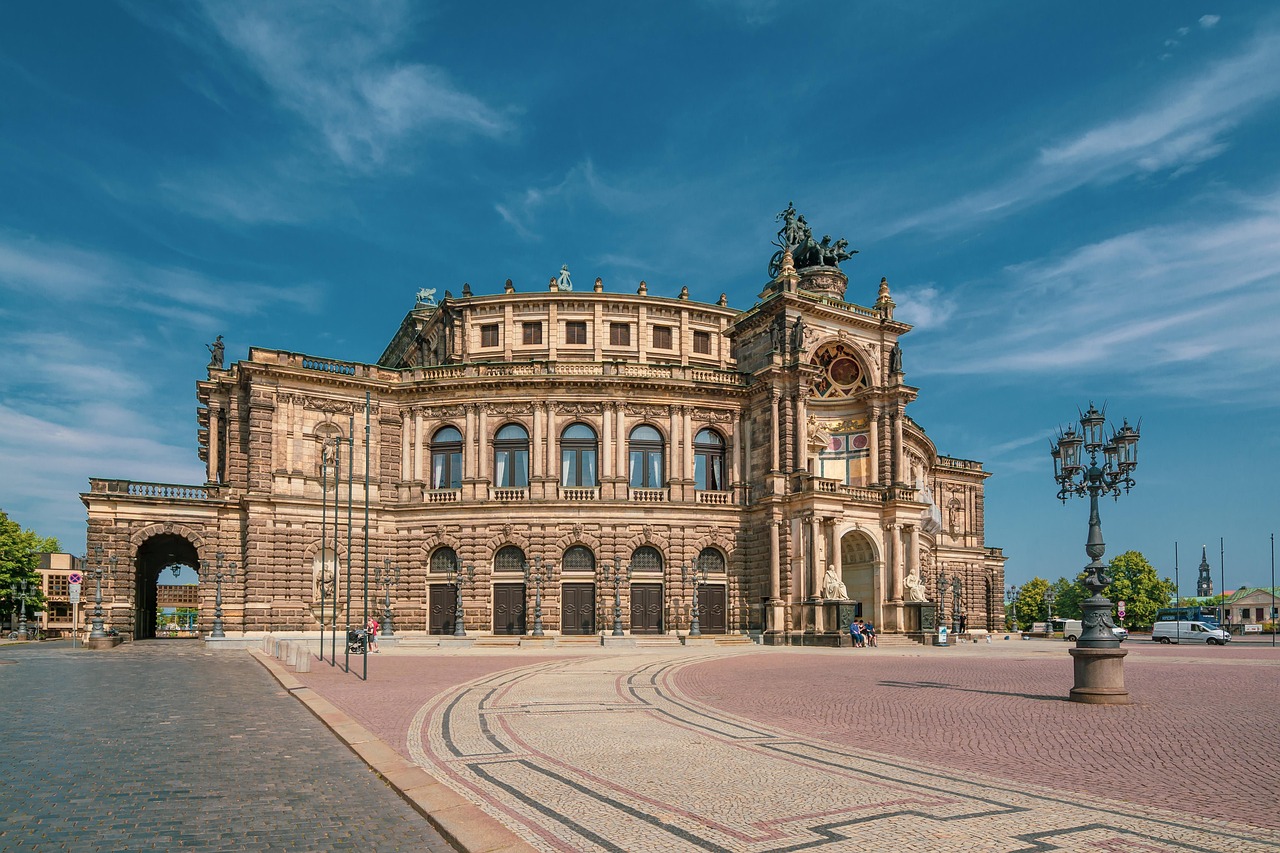
The Semperoper is an opera house in Dresden, Germany. It’s an outstanding example of seamlessly blended eclecticism, and it contains numerous elements from both NeoRenaissance & NeoBaroque Architecture. The building’s exterior shows many distinct Renaissance characteristics, including the use of symmetry, proportion, and repetition. The Semperoper was destroyed in the Allied Bombing of Dresden in WWII, but was later rebuilt. Today, it’s one of the world’s Greatest Opera Houses, rivaling others in cities like Paris and Vienna.
5. Palacio Barolo – Buenos Aires, Argentina
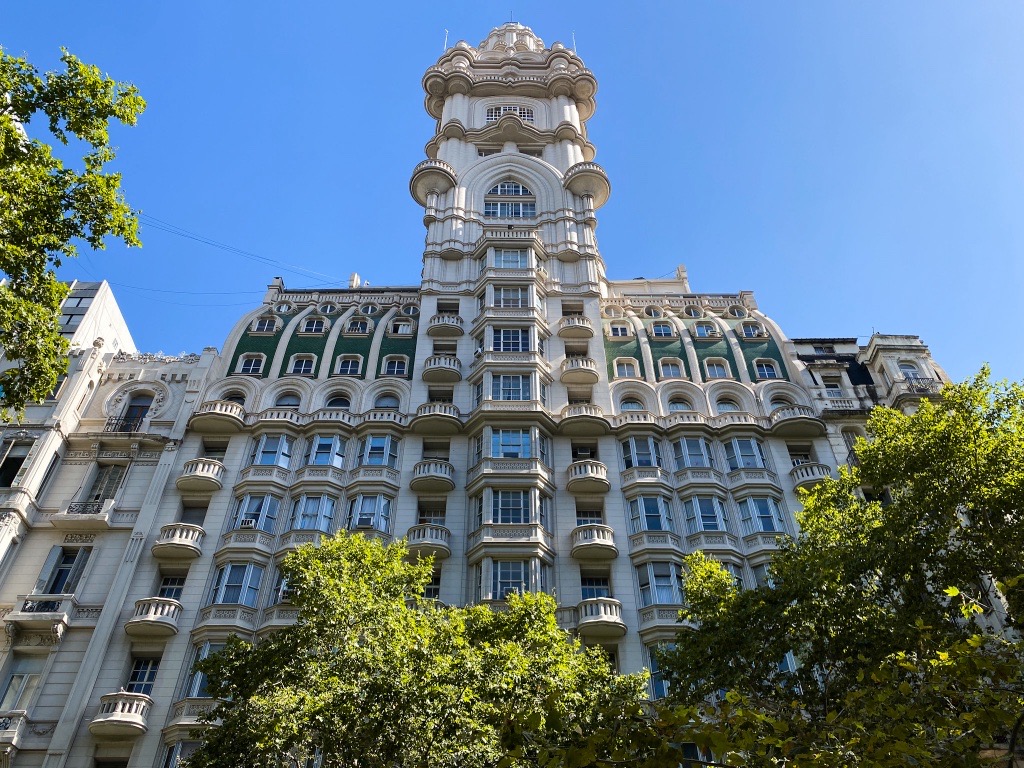
Palacio Barolo is a building located in downtown Buenos Aires. It was designed by the renowned architect Mario Palanti, who practiced extensively in the Eclectic Style. Palanti’s design utilizes components from several different architectural styles, including NeoBaroque, NeoGothic, and Art Deco. The facade has both round and pointed arches, along with a Baroque-style Mansard Roof. Palacio Barolo was completed in 1923 and was the tallest building in Buenos Aires for over a decade.
6. Plaza de España – Seville, Andalusia, Spain
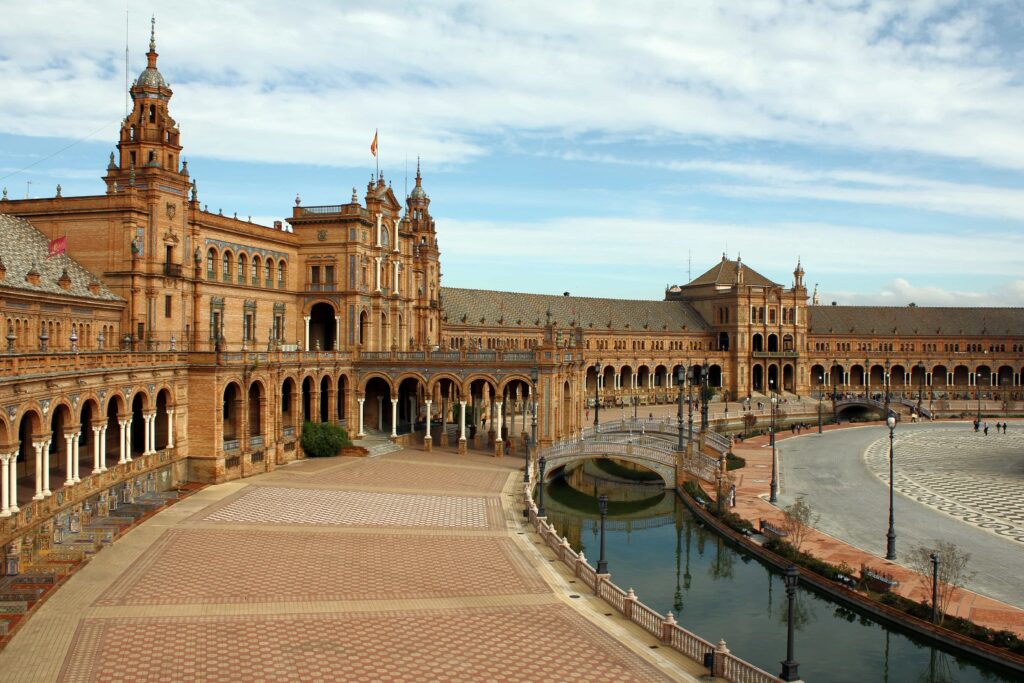
Plaza de España is a large square and pavilion that was completed for Seville’s Ibero-American Exposition of 1929. The event was a type of World’s Fair, and the Plaza de España served as the focal point. The plaza was designed using a blend of different architectural styles, including Moorish, Mudejar, and NeoRenaissance. The pavilion also contains many elements from traditional Spanish Architecture, like painted Azulejo tiles.
7. Basilica of Sacre-Cœur – Paris, France
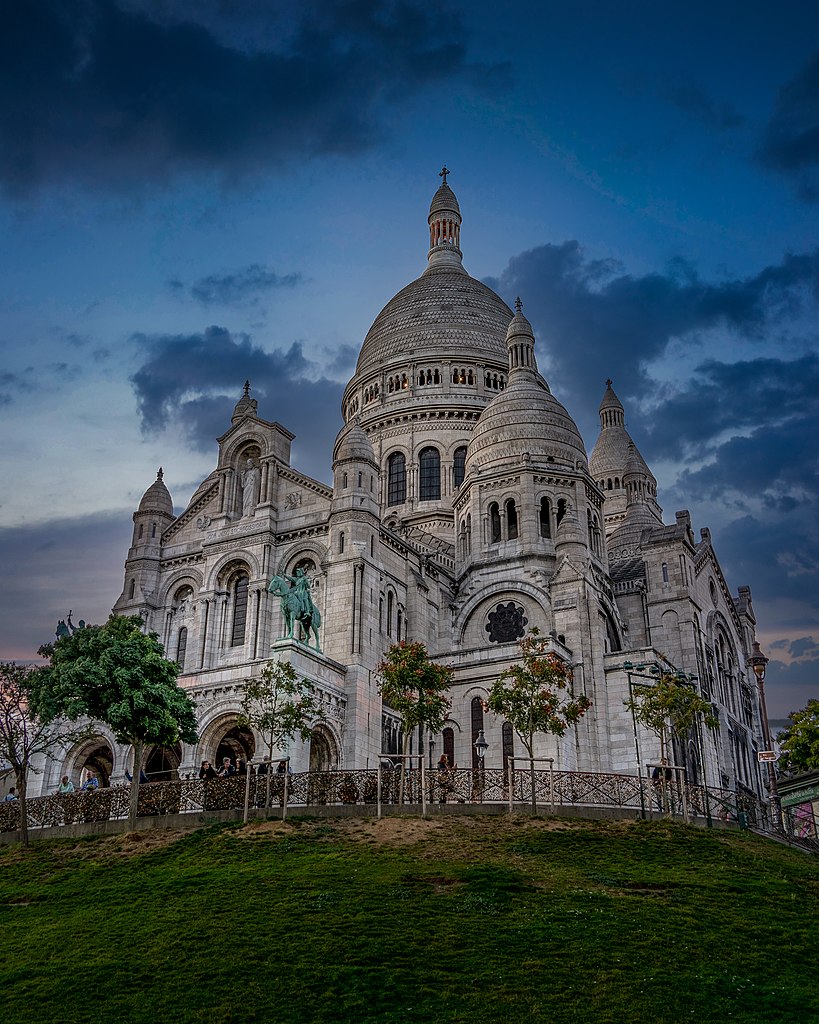
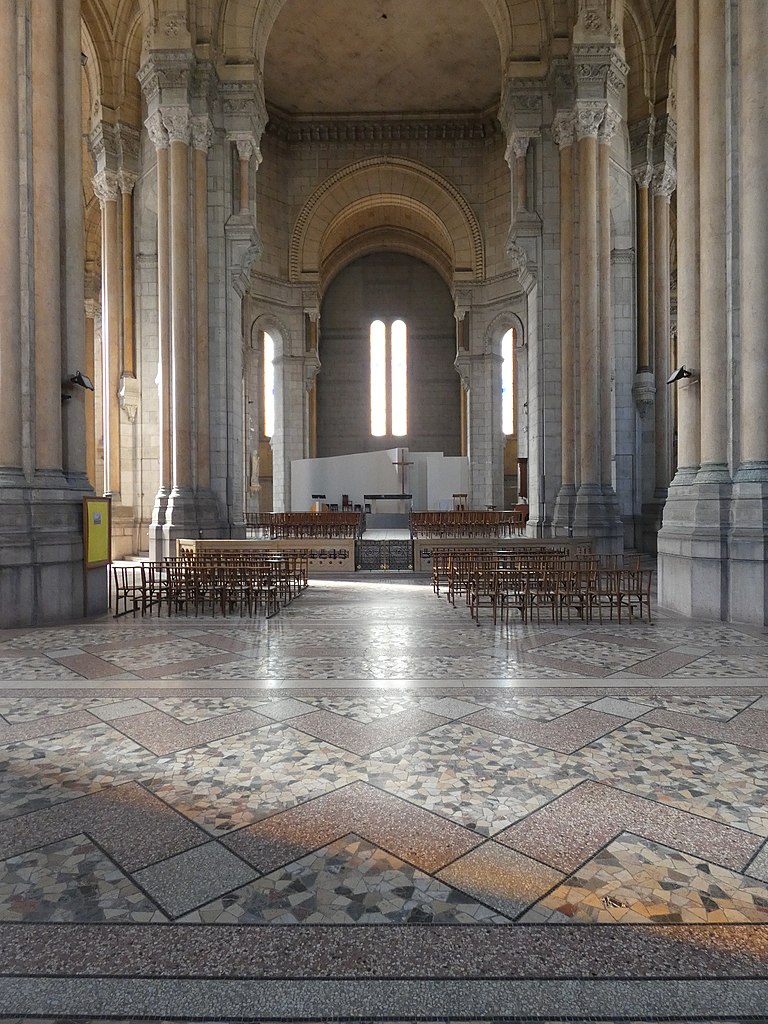
The Basilica of Sacre-Cœur is a large, eclectic church that was completed in 1914. The building has a commanding position, sitting atop Montmartre Hill in the middle of Paris. The design is a great example of seamless eclecticism, and it combines elements from NeoRomanesque and NeoByzantine architecture. The Basilica of Sacre-Cœur has several Byzantine-style domes, and it also contains many Romanesque details, like round arches, simple geometries, and thick, stout walls.
8. Biltmore Estate – Asheville, North Carolina, United States
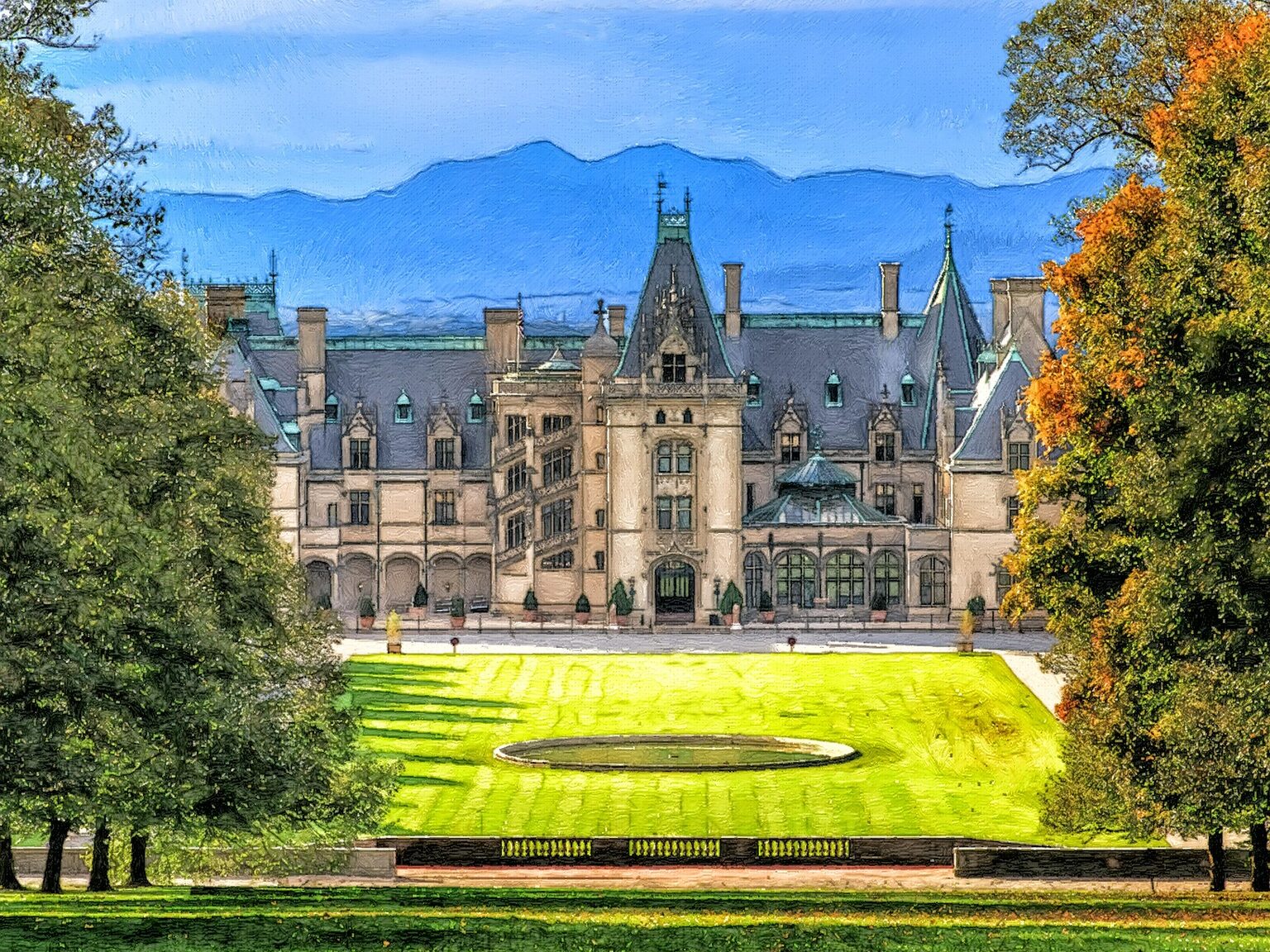
The Biltmore Estate is the largest privately owned residence in the United States. It was constructed by America’s wealthy Vanderbilt family, who also commissioned several other mansions in Newport, Rhode Island, and New York City. The Biltmore Estate is the most lavish of the Vanderbilt homes, and it was built between 1889 & 1895. The estate blends several different architectural styles, including NeoGothic, NeoRenaissance, and Chateuesque.
9. Palais de Justice – Brussels, Belgium
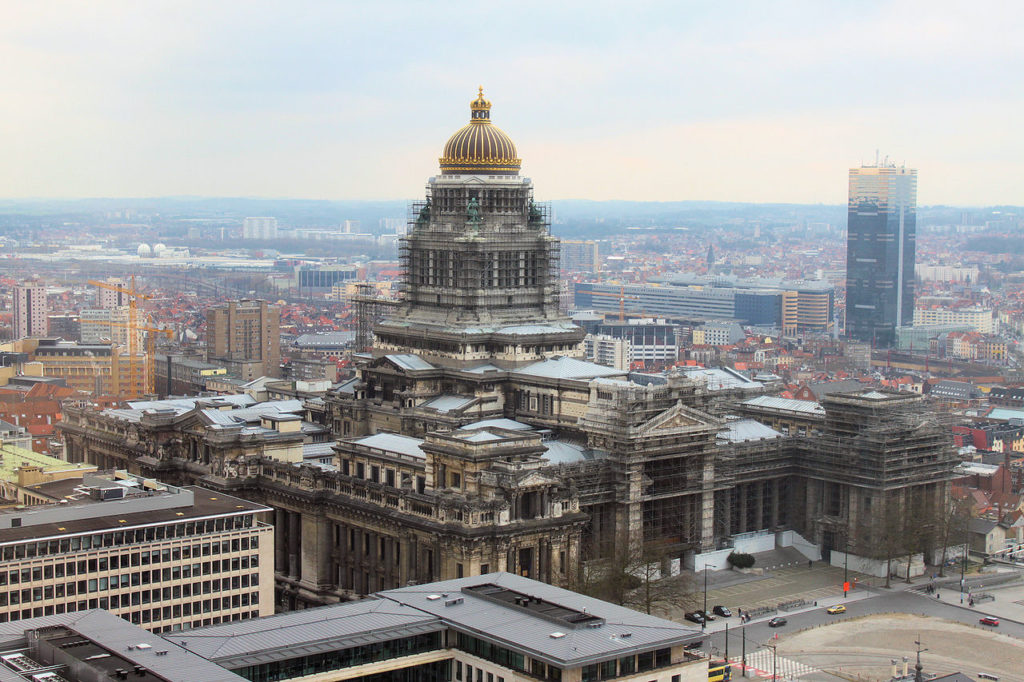
The Palais de Justice is a large courthouse located in Brussels, Belgium. Construction began on the building in 1866, and the final touches were completed on its gilded dome in 1883. The courthouse is designed in the Neoclassical Style, but it also has eclectic features, like its Baroque dome. The building also incorporates numerous Classical details like marble statues, pediments, and Corinthian columns.
10. Theatro Municipal – São Paulo, Brazil
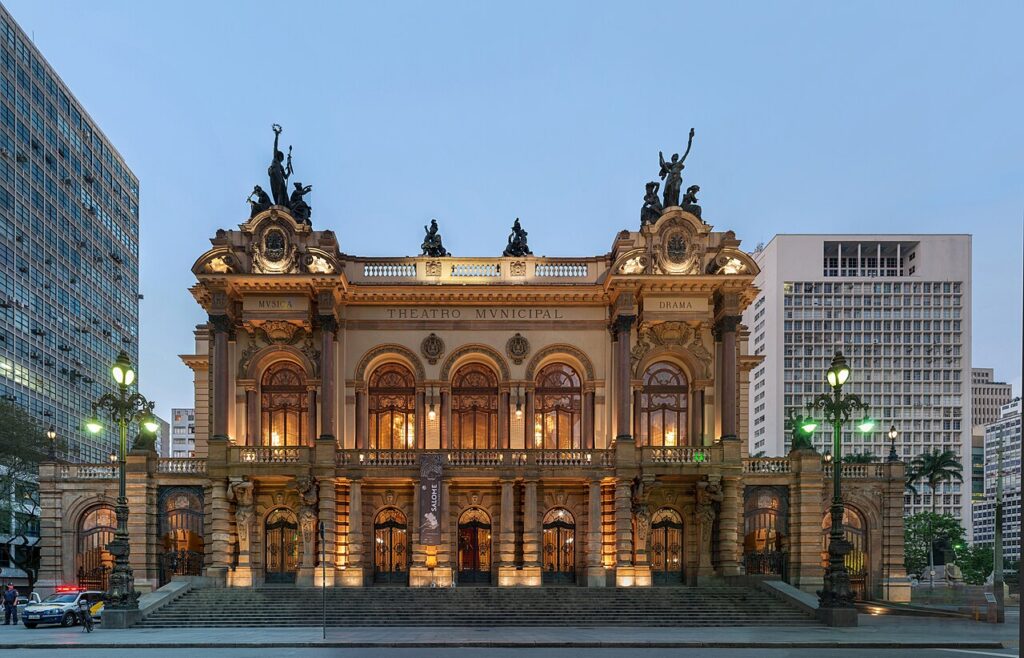
The Theatro Municipal is another one of the world’s most impressive examples of eclectic architecture. The building was constructed in the early 1900s in the heart of São Paolo. The design of the theater combines many architectural styles, including NeoRenaissance, NeoBaroque, and Art Nouveau. The building’s facade has a strong Renaissance influence but also contains many lively Baroque Sculptures. Theatro Municipal also has many Art Nouveau-inspired details woven into its windows & doors.
11. The New York State Capitol Building – Albany, New York, United States
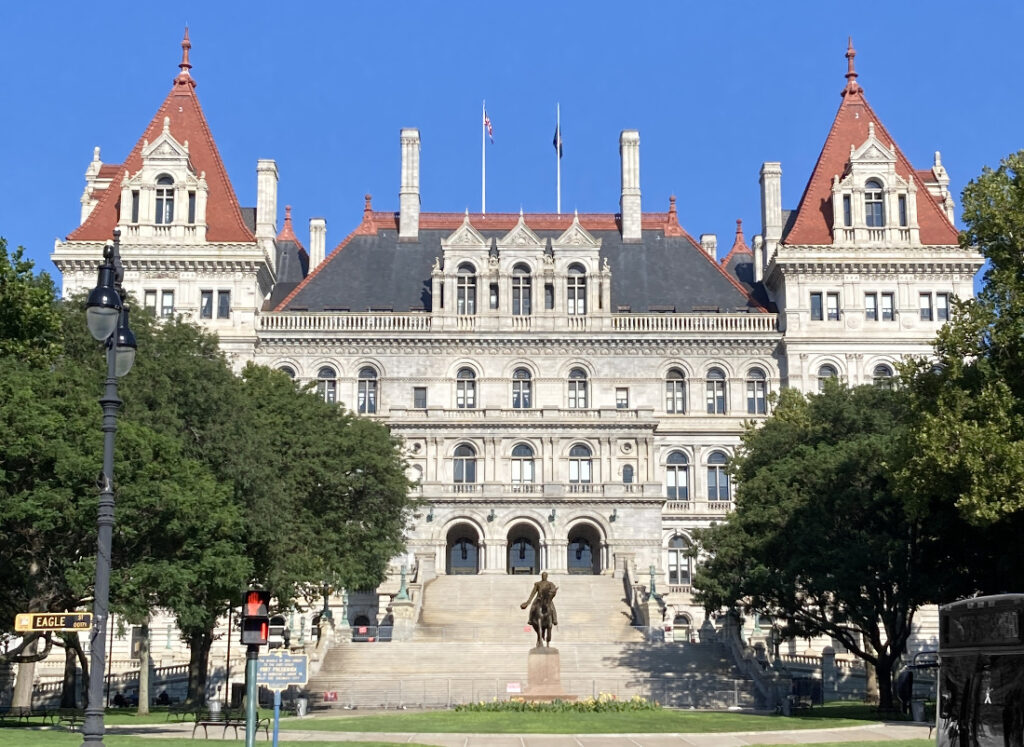
The New York Capitol Building is one of the many impressive State Capitol Buildings of the United States. Most of these structures date from the 19th century and were designed in various Revival Styles. The New York State Capitol Building was designed by several distinguished American architects, including H.H. Richardson. Construction began on the project in 1867, and the design blends features from NeoRomanesque and NeoRenaissance architecture.
12. Museum of Applied Arts – Budapest, Hungary
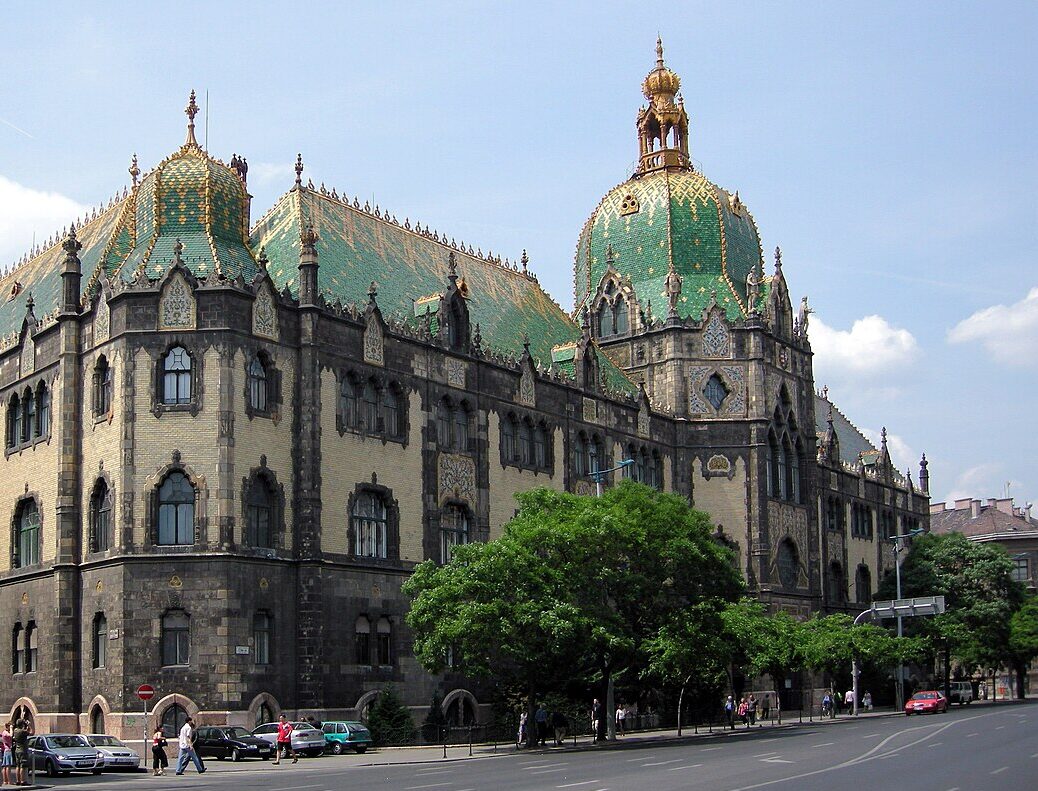
The Museum of Applied Arts is a popular attraction located in central Budapest. Its design incorporates a blend of different architectural styles, including Moorish Revival and Gothic Revival. The building was completed in preparation for the Hungarian Millennium Exhibition – which was a type of World’s Fair located within Budapest. One of the Museum of Applied Arts’ most distinct features is its roof, which contains a vibrant array of gold & green tiles.
13. Glyptotek – Copenhagen, Denmark
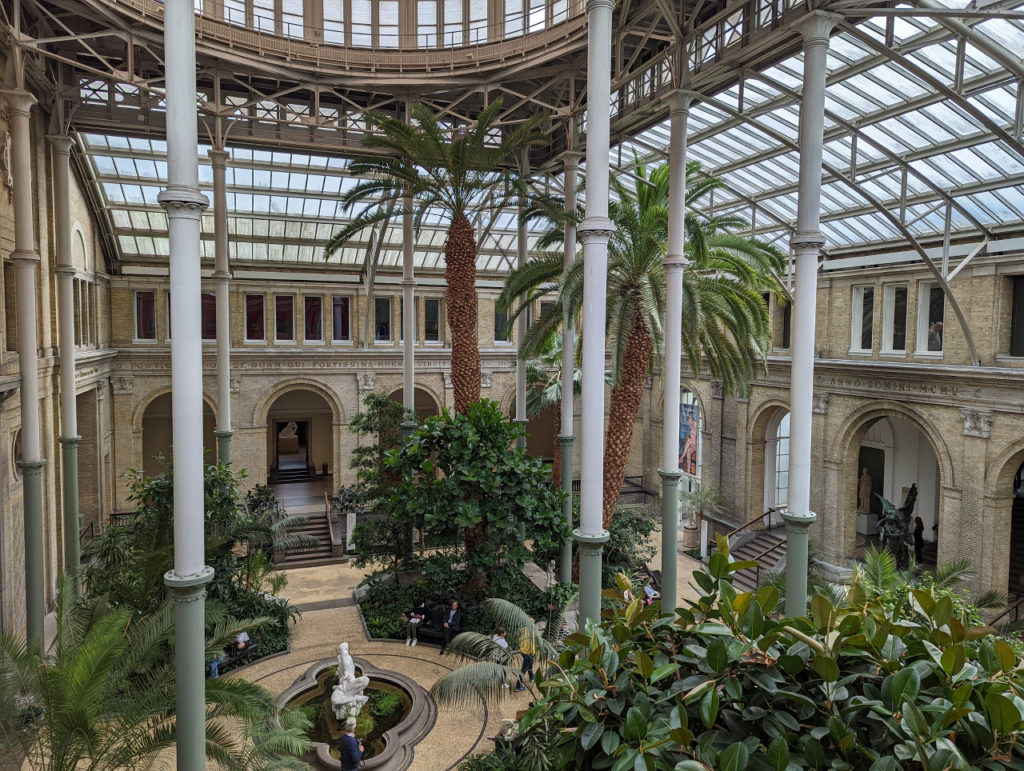
The Glyptotek is one of the most renowned museums in the Danish capital of Copenhagen. The galleries contain a vast assortment of Classical Greek & Roman Sculptures, in addition to works of 19th-century masters like Auguste Rodin. The Glyptotek is housed within three distinct, eclectic structures. There is a Neoclassical Wing, a Renaissance Revival Wing, and a large and open winter garden connecting the two. The winter garden sits below a large glass canopy that has a strong Beaux Arts influence.
14. Basilica of Notre-Dame de Fourvière – Lyon, France

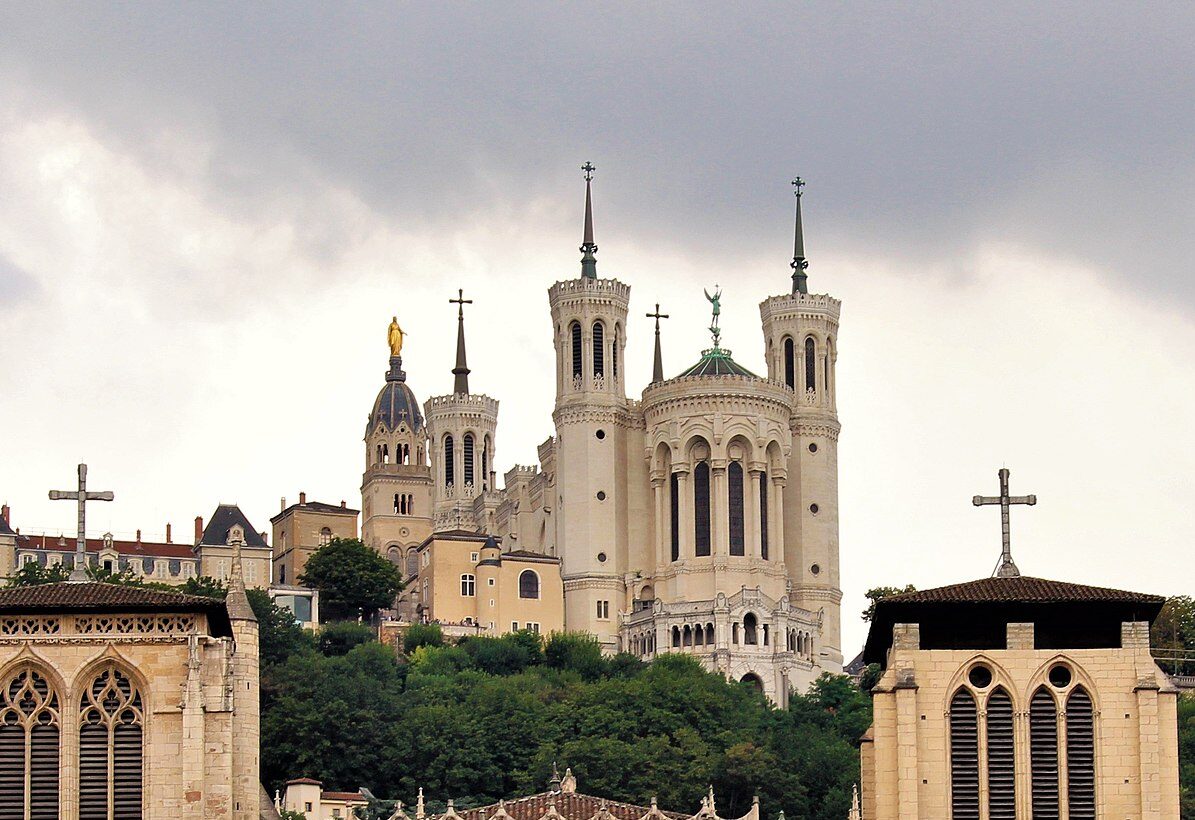
The Basilica of Notre-Dame de Fourvière is another impressive church designed in the eclectic style. The basilica is located on a hilltop overlooking central Lyon, and it was constructed during the late 19th century. The design of the building incorporates aspects from French Medieval Castles. It also utilizes elements from NeoRomanesque and NeoByzantine architecture.
15. Palacio Salvo – Montevideo, Uruguay
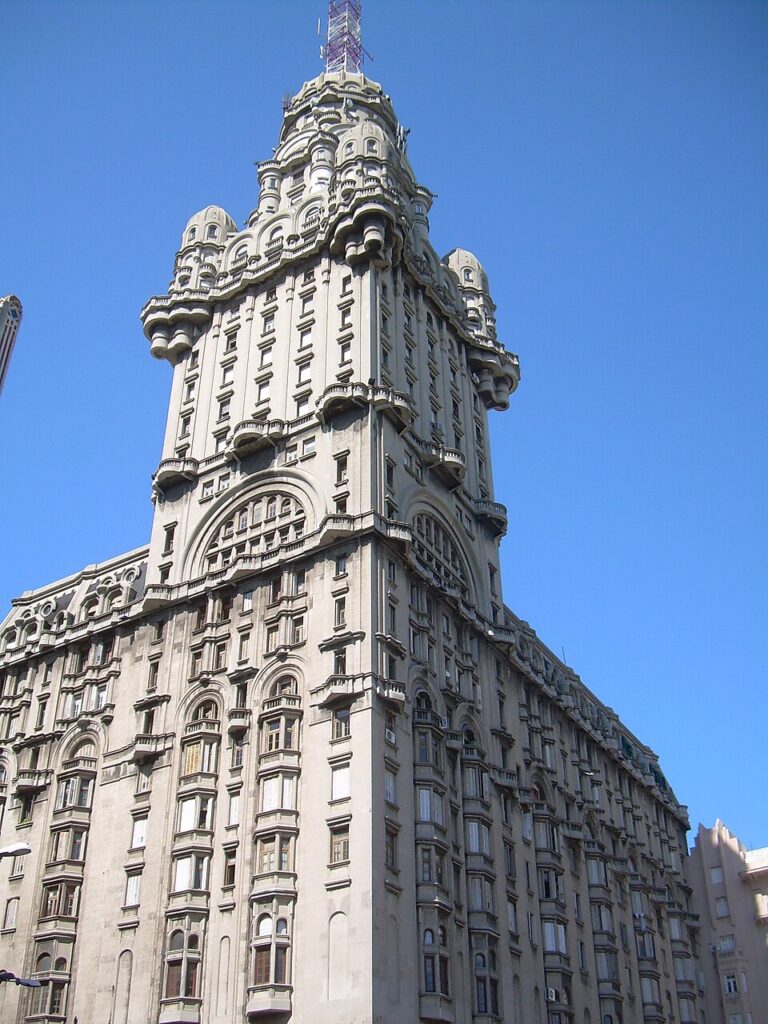
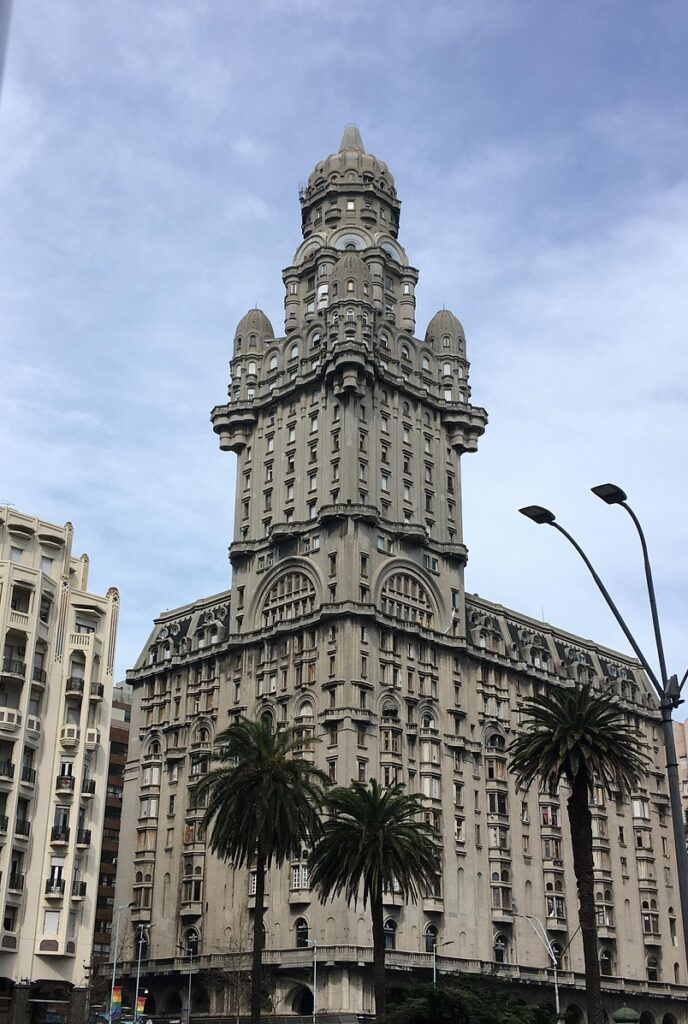
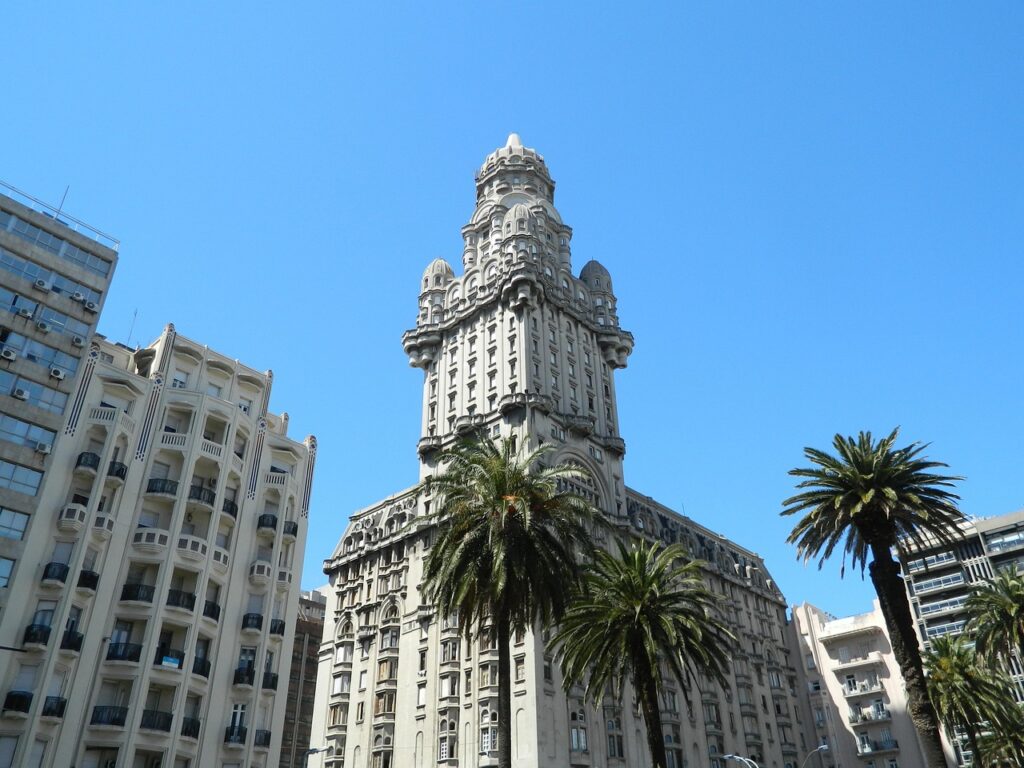
Like the Palacio Barolo in Buenos Aires, Palacio Salvo is another building designed by renowned architect Mario Palanti. The building was completed in 1928, and it stands in downtown Montevideo. Palacio Salvo is considered a “sister building” with Palacio Barolo, and they both contain similar eclectic characteristics. Palacio Salvo contains influences from Baroque Architecture, which are then blended with Art Deco and Beaux Arts elements.
16. Nuremberg Central Station – Nuremberg, Bavaria, Germany
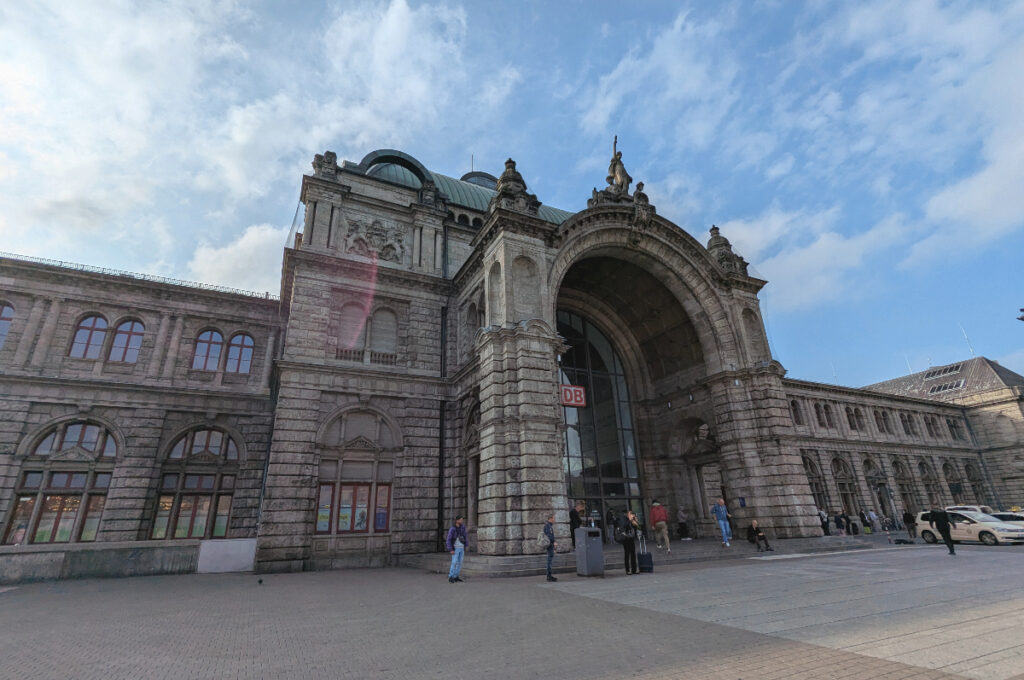
Nuremberg Central Station is a massive transportation hub, located just outside Nuremberg’s city center. The building was constructed from 1900 to 1906, and its design utilizes a blend of elements from Beaux Arts, NeoBaroque, and NeoRenaissance architecture. The front facade contains a large grand archway, reminiscent of a Triumphal Arch. The building also has a large assortment of glass walls & canopies, which were very innovative in the early 1900s.
Like Architecture of Cities? Sign up for our mailing list to get updates on our latest articles and other information related to Architectural History.
17. Casa de los Dragones – Ceuta, Spain
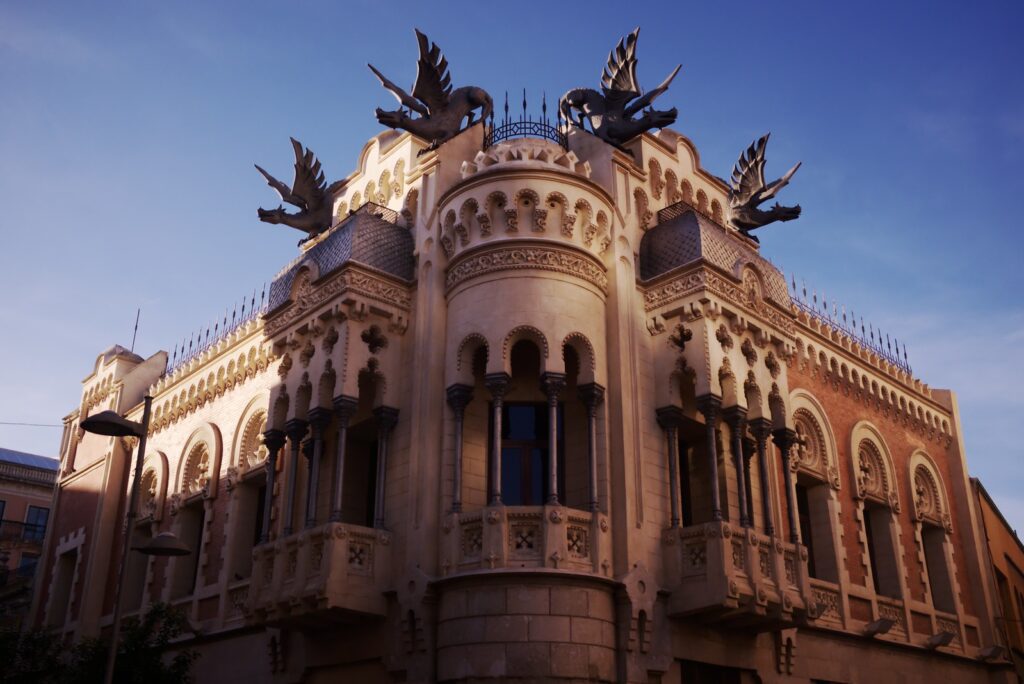
The Casa de Los Dragones is a little-known example of Eclectic Architecture in Ceuta, Spain. Ceuta is a city located on the northern coast of Africa, and it’s one of only a few Spanish holdings in the region. The Casa de Los Dragones is situated within the center of Ceuta, and it was completed in 1905. The design of the buildings is very eclectic, and it combines elements from Moorish, Mudejar, and Modernisme architecture.
18. The Egyptian House – Strasbourg, France
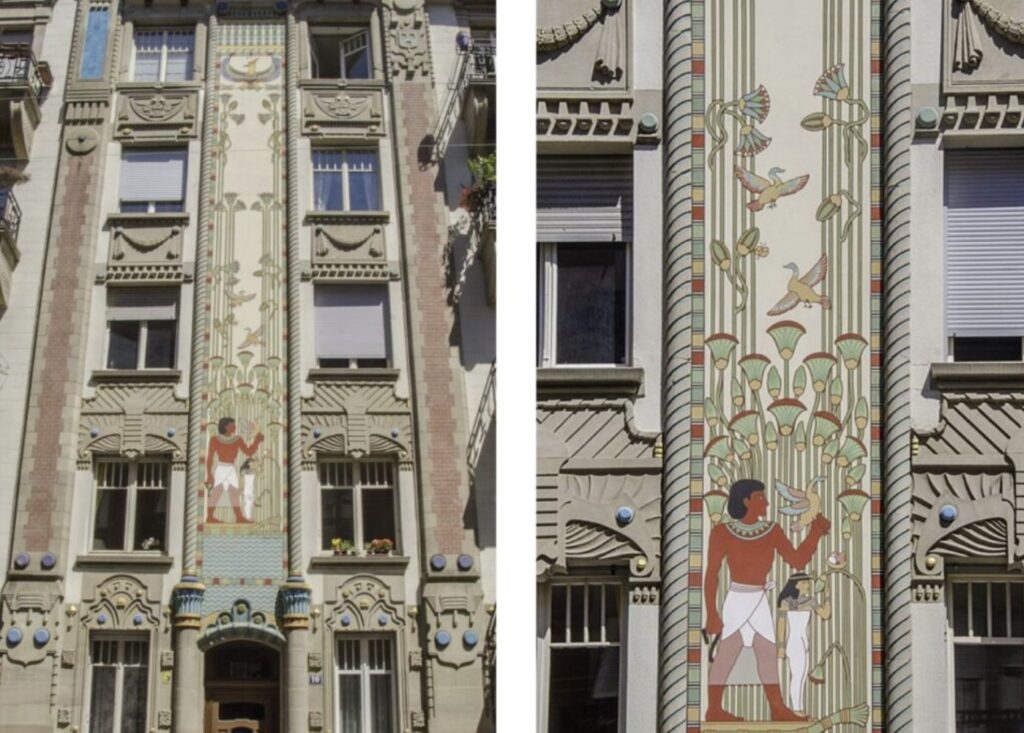
The Egyptian House is a very unique work of Eclectic Architecture in Strasbourg, France. The building’s design combines Egyptian Revival and Art Nouveau Architecture to create a truly iconic structure. The Egyptian House was completed in 1905, and its facade has been beloved by the local population ever since. Art Nouveau was popular in France during the early 1900s, and it can be found throughout many cities like Paris, Marseille, and Strasbourg.
19. Valencia City Hall – Valencia, Spain
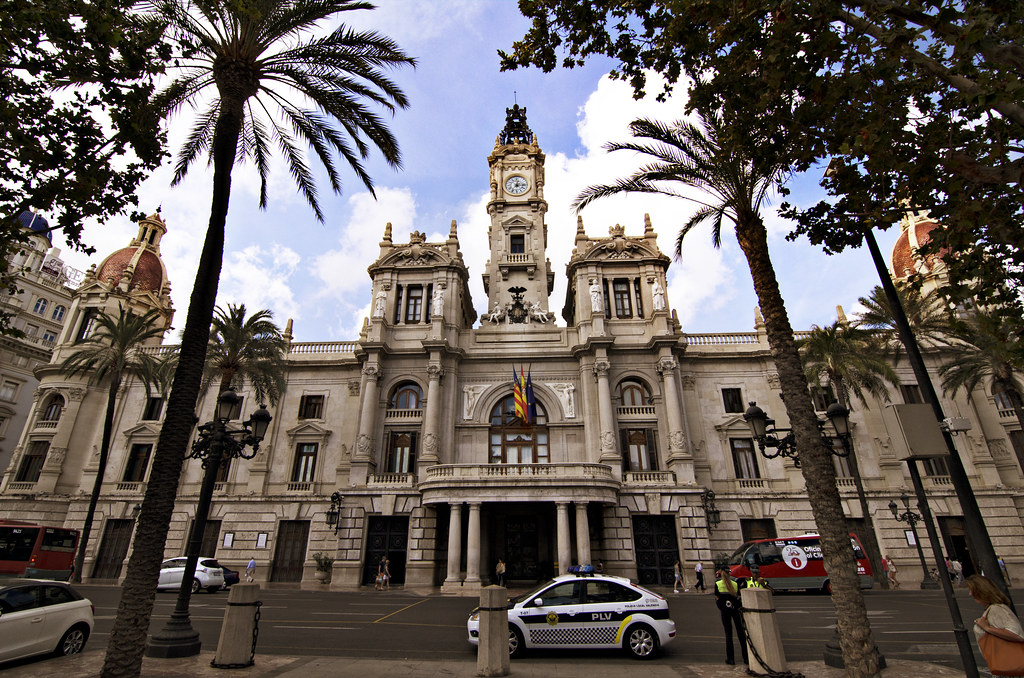
Valencia City Hall is a work of eclectic architecture that overlooks the Plaça de l’Ajuntament in central Valencia. The building was constructed in the early 1900s to house the Valencia City Council and other municipal functions. Its design blends a variety of different architectural styles, including NeoRenaissance and NeoBaroque. The main facade has many Classical details like Doric & Corinthian columns, and the towers have many Baroque embellishments.
20. Saint Mary’s Royal Church – Brussels, Belgium
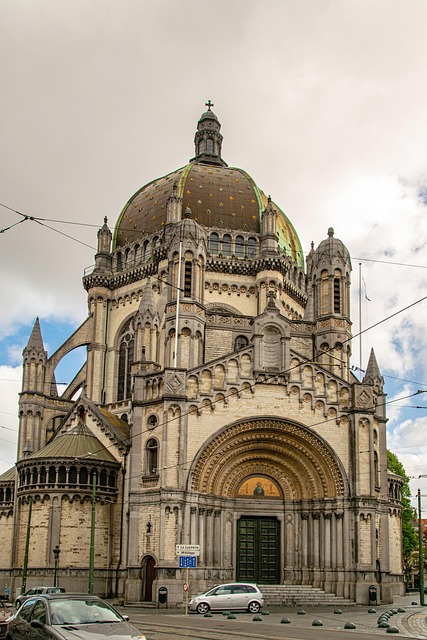
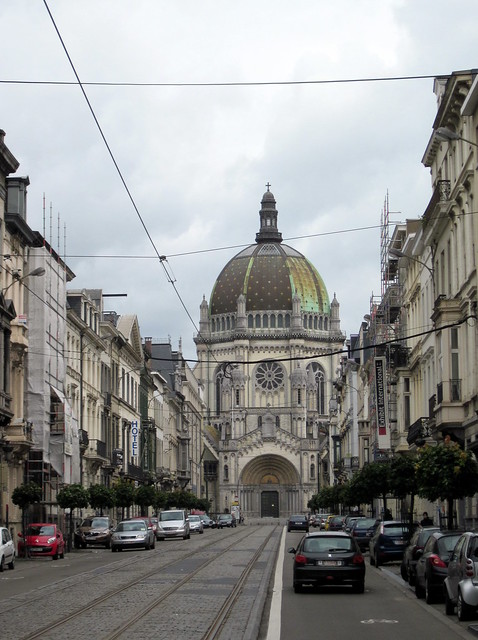
St. Mary’s Royal Church is a small structure located in the Schaerbeek neighborhood of Brussels. The building was designed with an eclectic blend of NeoByzantine, NeoRomanesque, and NeoGothic elements. The church contains a large central dome and several Byzantine-style mosaics. It also has round arches & Romanesque details, paired with flying buttresses and tracery from the Gothic Style.
Accidental Eclecticism
The world is also full of countless examples of “accidental eclecticism” – when a building unintentionally contains a large assortment of architectural styles. This happens most often when a building is expanded and modified over the centuries. Many of Europe’s greatest churches are eclectic, and they often contain older and more contemporary portions.
1. Palermo Cathedral – Palermo, Sicily, Italy
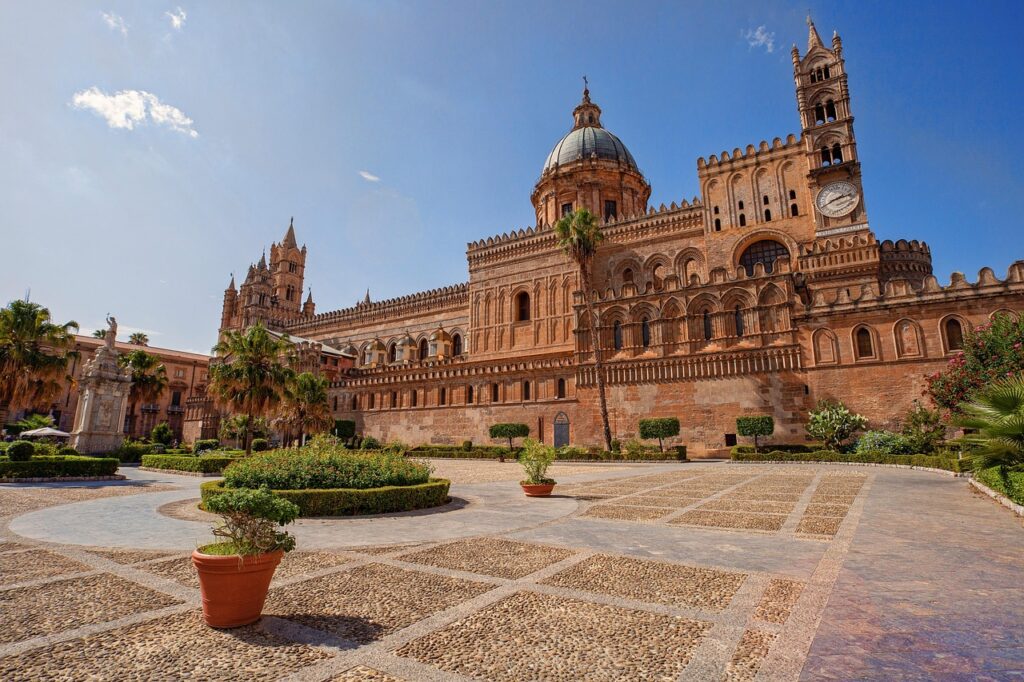
Palermo Cathedral is perhaps the world’s greatest example of Accidental Eclecticism. The building originated as a mosque, built by the Moors shortly after they conquered Sicily in the 9th century. Eventually, the island was taken over by the Normans, who came from Western Europe. The Normans would greatly expand and modify the original mosque and turn it into a grand church.
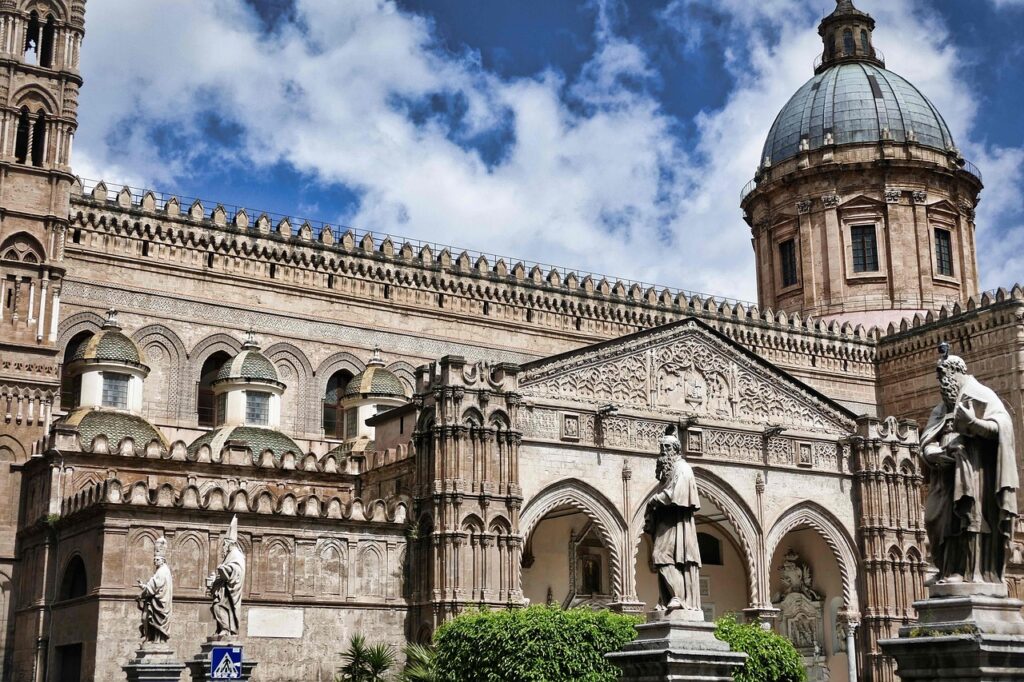
Palermo Cathedral also contains newer additions from subsequent centuries. A Gothic-style portico was added to the church in the 15th century, and during the 1800s, a large dome was installed atop the structure. This dome was designed in the Neoclassical Style, and it differs in color and detailing from the older parts of the church. Together with several other monuments, Palermo Cathedral is registered as a UNESCO World Heritage Site.
2. Hagia Sophia – Istanbul, Turkey
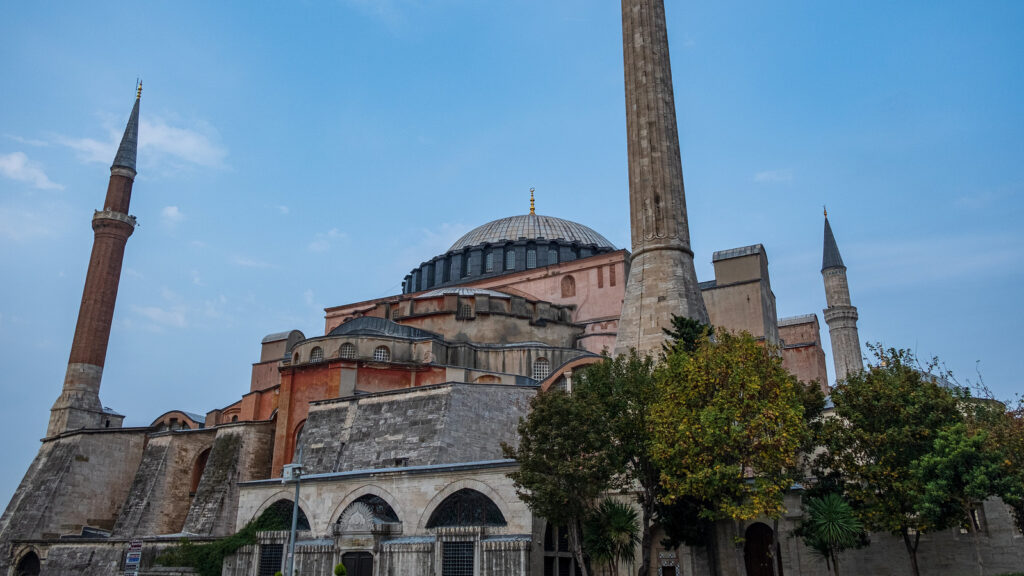
The Hagia Sophia is another great example of unintended eclecticism. The church was originally constructed during the reign of the Byzantine Emperor Justinian the Great. It was completed in the 6th century, and at that time, it was the world’s greatest example of Byzantine Architecture. Eventually, in 1453, Constantinople was taken over by the Ottoman Empire. The Ottomans quickly converted the church into a mosque and added several of their own elements – including four pencil-shaped minarets.
3. Santiago de Compostela Cathedral – Santiago de Compostela, Spain
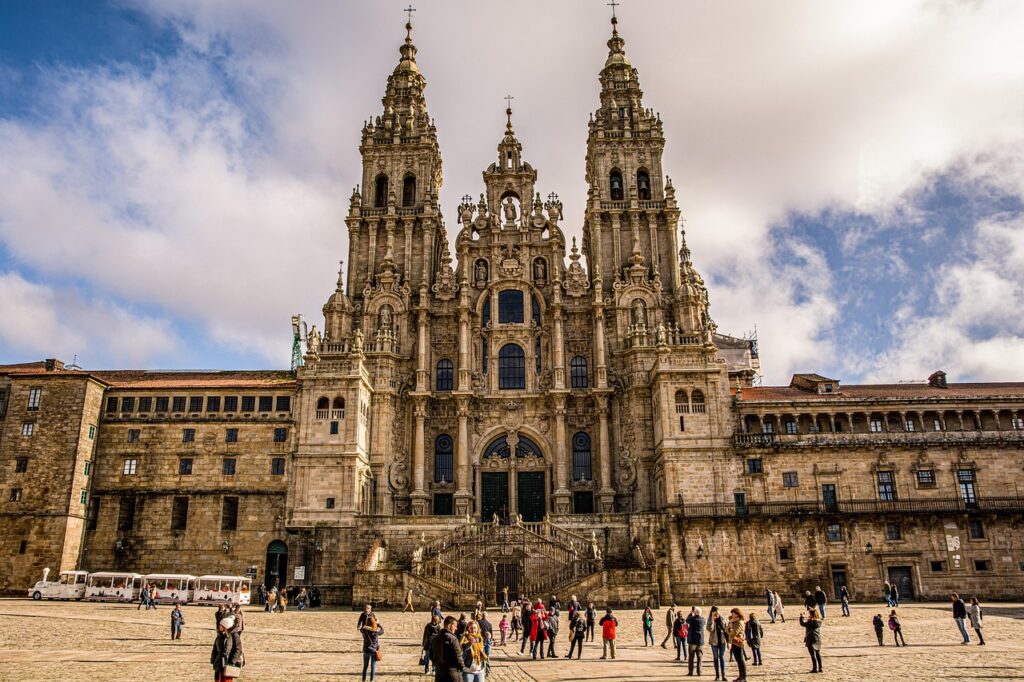
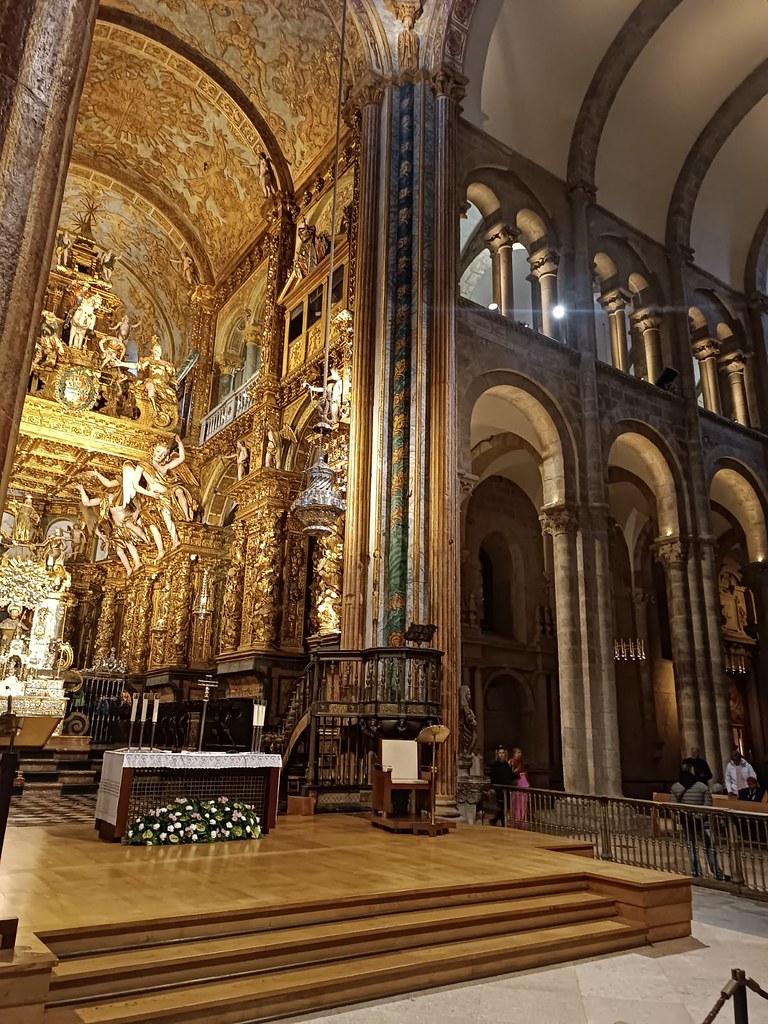
The Cathedral of Santiago de Compostela is another great example of unintended eclecticism. The church is known as the final resting place of St. James, and in the 11th century, it was a humble Romanesque Chapel. The building was a popular pilgrimage site throughout the Middle Ages as the famed termination point of the Camino de Santiago. Eventually, in the 1700s, most of the cathedral’s exterior facades were elaborately embellished in the Baroque Style.
4. St. Vitus Cathedral – Prague, Czech Republic
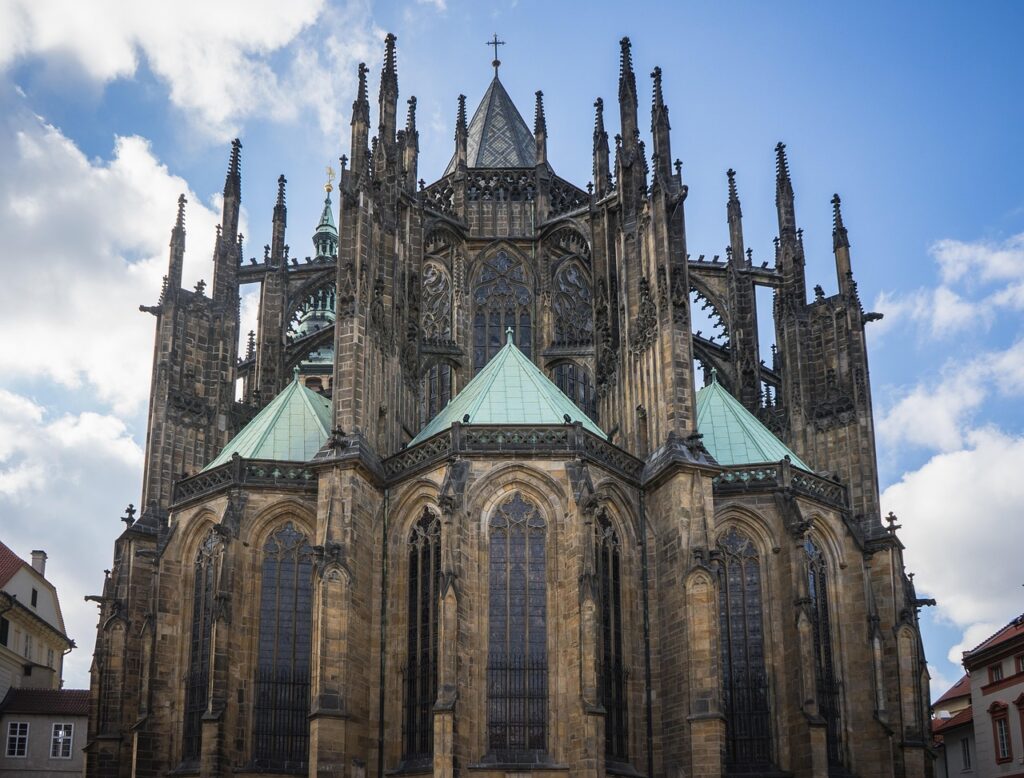
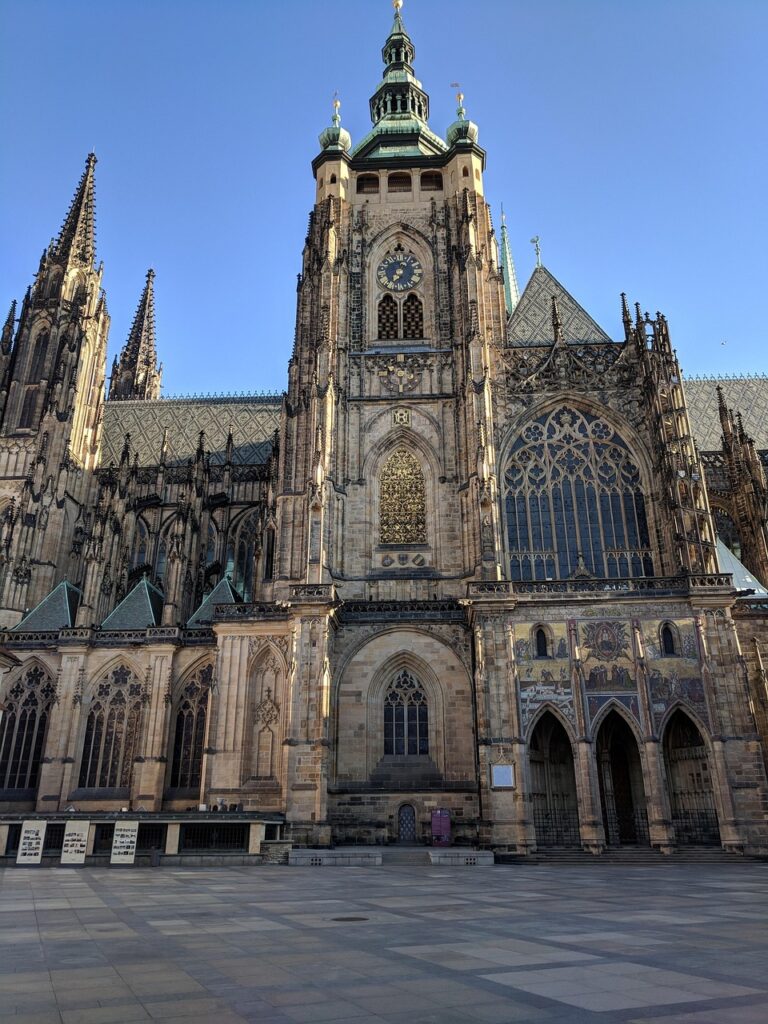
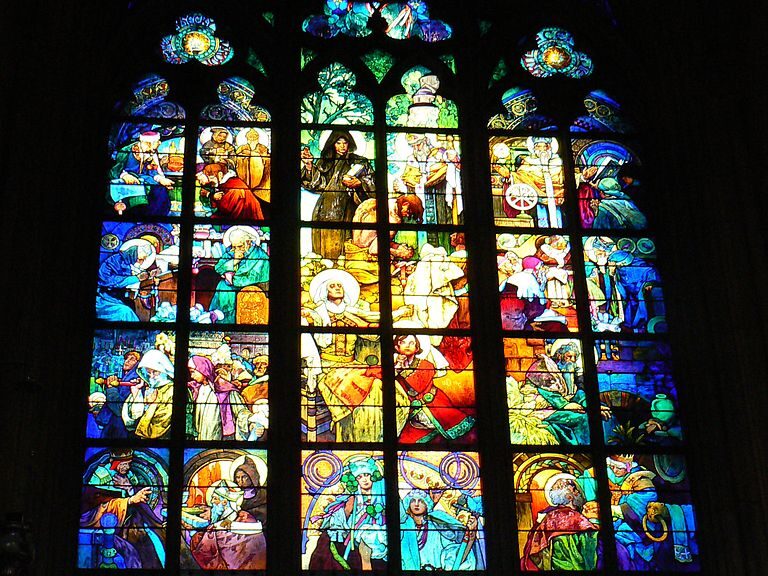
St. Vitus Cathedral sits at the heart of Prague Castle, and it is another great example of unintended eclecticism. Construction began on the church in the Gothic Age when the apse and most of the nave were completed. These areas have an extremely Gothic appearance, with many pointed arches, spires, and flying buttresses. The church also contains a tower dating from the Baroque Age, and a 19th-century facade designed in the Gothic Revival style. St. Vitus Cathedral is also famous for its impressive stained glass windows, which were designed by Alphonse Mucha in the Art Nouveau style.
Legacy of Eclecticism
Eclecticism is a very important architectural technique that is still utilized today. The practice became particularly popular in the Revival Movement of the 19th century, but architects had been blending different styles long before then. Today, Eclecticism remains an important idea in modern architecture, and many of today’s designers still utilize these same techniques.

- About the Author
- Rob Carney, the founder and lead writer for Architecture of Cities has been studying the history of architecture for over 15 years.
- He is an avid traveler and photographer, and he is passionate about buildings and building history.
- Rob has a B.S. and a Master’s degree in Architecture and has worked as an architect and engineer in the Boston area for 10 years.
Like Architecture of Cities? Sign up for our mailing list to get updates on our latest articles and other information related to Architectural History.
Related Posts:
- Top 30 Examples of Ottoman Architecture

- Top 35 Examples of Moorish Architecture
- The Top 6 Examples of Second Empire Architecture
- Top 30 Examples of Revival Architecture
- Top 20 Examples of Art Nouveau Architecture
- Top 25 Examples of Beaux Arts Architecture
- Top 20 Examples of Art Deco Architecture
- Top 15 Examples of Romanesque Revival Architecture